
Indian Poetics · Part 7 of 7
Nativism, the margins and the contemporary
Challenges to the old canon: nativism, the Hungry Generation, folk and tribal art and Dalit aesthetics, and what Indian poetics means today.
Chapters in this part
5 chapters, in order. Each chapter is one article. It opens with the thinkers of that school, and every name leads to a page of its own.
-
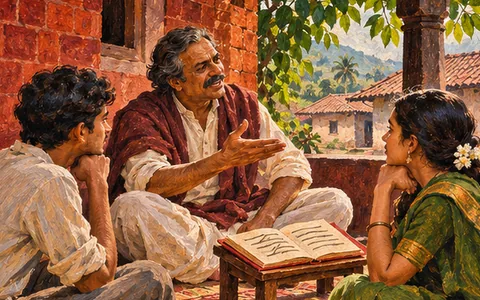 Bhalchandra Nemade and Nativism
Bhalchandra Nemade
- What is nativism? The birth of the concept
- Nemade's nativism: native styles and orality
- Modernity, globalisation and nativism
- Nemade's works: the Marathi novel and Arun Kolatkar's bilingual poetry
- A critique of nativism
-
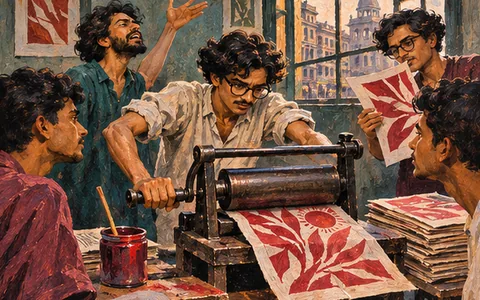 The Hungry Generation and Poetics
- Bengali poetry from 1920 to 1950
- Modernity and adhunikata
- The history of the Hungry Generation
- The aims and impact of the Hungryalist movement
- The prevailing canons and the Hungryalist canons
-
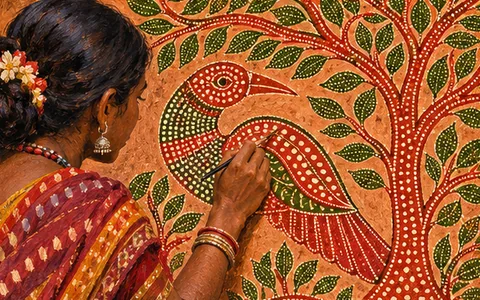 Folk and Tribal Aesthetics
- The folk culture of India
- Tribal literature
- Folk and tribal art: Kalamkari, Patachitra, Madhubani, Gond and Tanjore
- The art of storytelling
- Difficulties in folk and tribal aesthetics
-
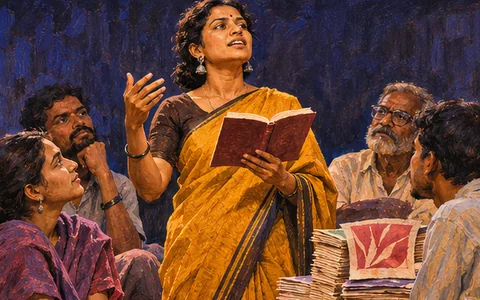 Dalit Aesthetics
- Dalit literature
- Satyam, shivam and sundaram: truth, goodness and beauty
- What is Dalit aesthetics?
-
 Contemporary Indian Poetics
C. D. Narasimhaiah · K. R. Srinivasa Iyengar · M. K. Naik · M. Hiriyanna · K. C. Pandey · Krishna Rayan
- Some critics and their concepts
- Traditional Indian poetics in contemporary times
- The problems
- The response